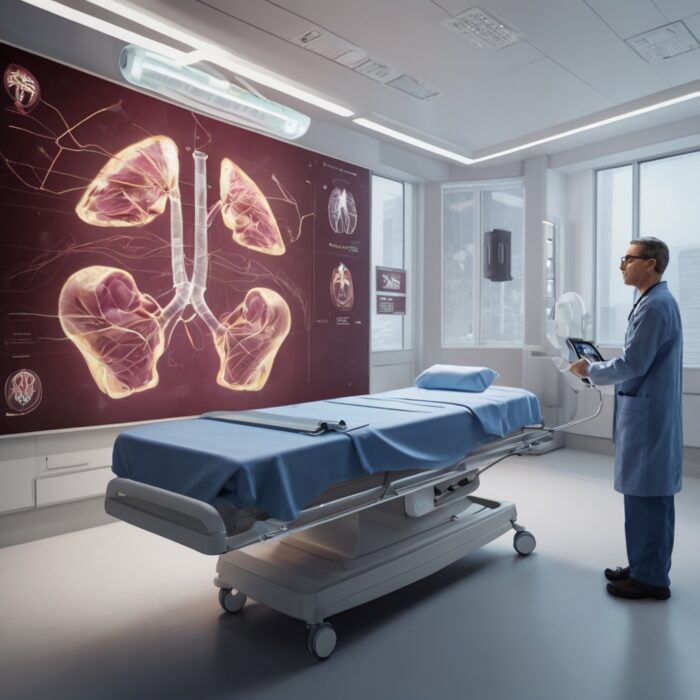
Today, Augmented Reality (AR) and Virtual Reality (VR) technologies are playing an increasingly significant role in healthcare. These innovations not only enhance the efficiency of medical education and patient care but also drive profound **economic and social changes.
Economic impacts
Cost efficiency and optimized care:
AR and VR devices can significantly reduce healthcare expenses by enabling virtual simulations and remote consultations. In medical education, the need for live models and mannequins can be minimized, making the learning process more efficient. In surgical planning, AR assists in more precise preoperative preparation, reducing surgery time and minimizing complications.
New industries and career opportunities:
Innovation creates new job opportunities, particularly in the development, manufacturing, and maintenance of healthcare technology. The growing demand for VR-based therapies and AR-assisted surgical systems is opening doors for IT and medical technology professionals.
Investments and government support:
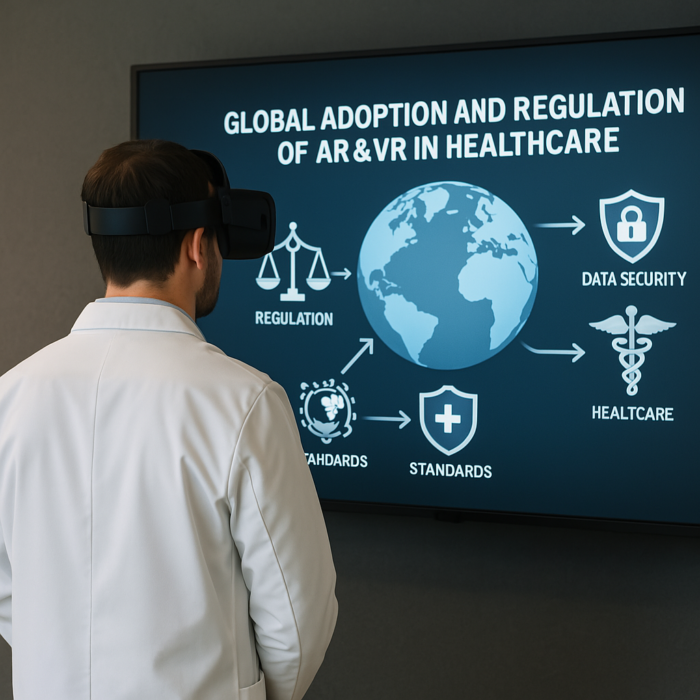
As digital healthcare evolves, increasing amounts of private and public funding are being allocated to these technologies. The European Union’s digital strategy prioritizes AR and VR applications, especially in medical education and patient care. Investors worldwide are directing significant resources toward these innovations, offering long-term, sustainable solutions in healthcare.
Social impacts
Greater access to healthcare:
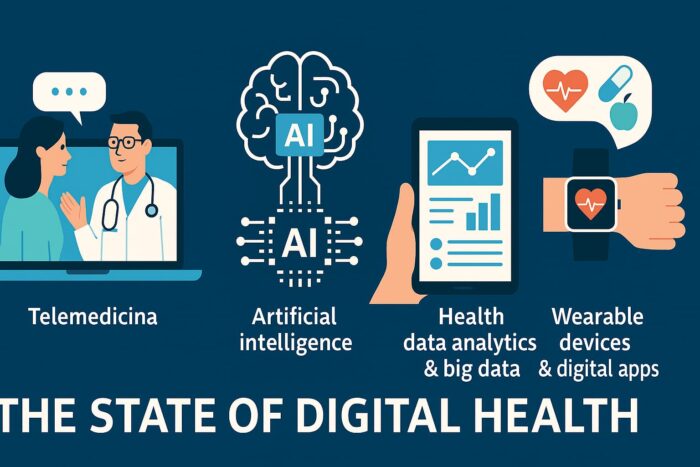
AR and VR technologies help bridge geographical inequalities by enabling telemedicine and remote rehabilitation. This is particularly crucial for those living in rural or hard-to-reach areas where specialized medical care is limited.
Patient-centered healthcare:
Interactive technologies help patients better understand their conditions and treatment options, fostering stronger doctor-patient collaboration. VR-based therapies have proven especially effective in mental health treatments, such as anxiety disorders and post-traumatic stress disorder (PTSD) management.
Enhanced education and health awareness:
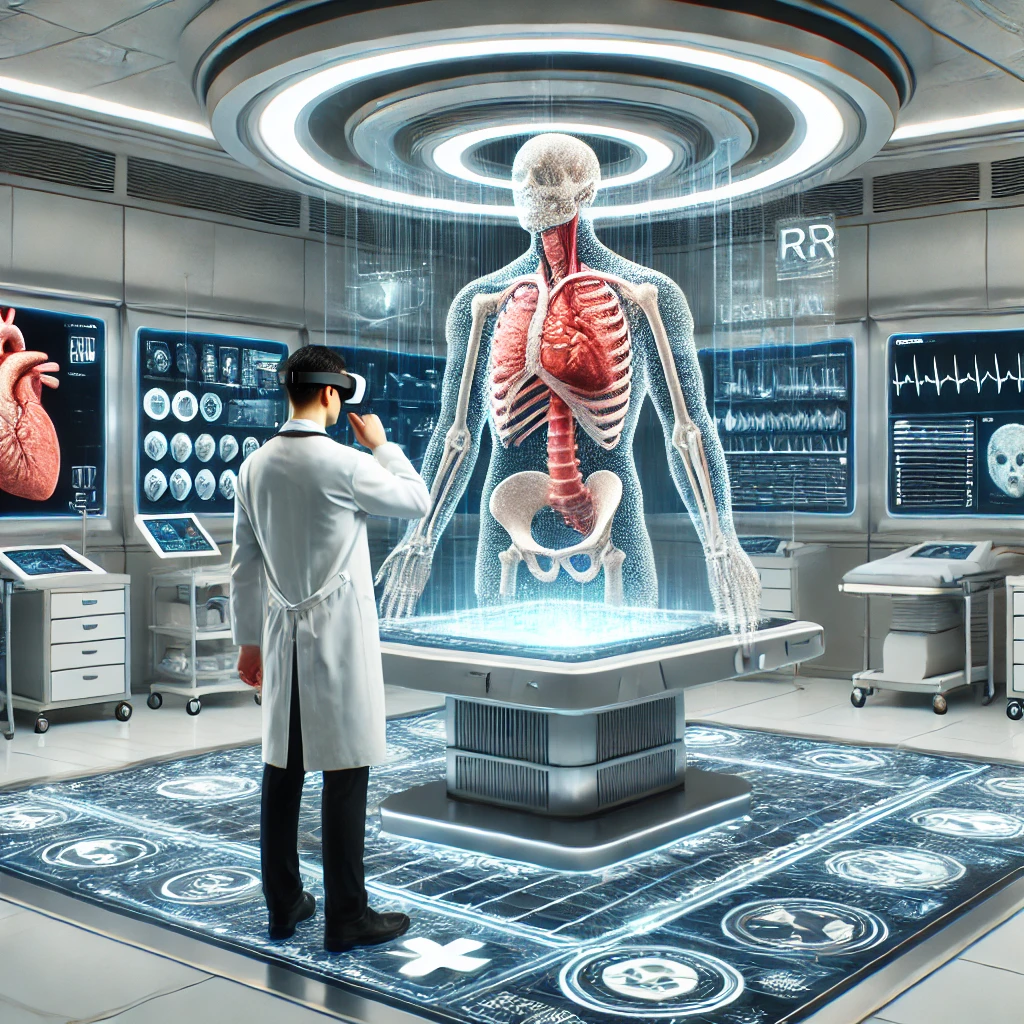
AR and VR technologies provide healthcare professionals with lifelike simulations to practice critical procedures. For patients, these tools simplify complex medical conditions and treatment processes, encouraging them to take a more active role in their recovery.
Future outlook
In the coming years, AR and VR will play an even larger role in healthcare, especially when combined with artificial intelligence and machine learning. Emerging technological advancements not only make diagnostics and treatments more precise and effective but also contribute to the development of a more sustainable, accessible, and patient-centered healthcare system.
With the ongoing digital transformation of healthcare, AR and VR technologies have the potential to usher in a new era of medicine—one where patient care becomes more innovative, equitable, and universally accessible.