The Financial and Regulatory Challenges of AR and VR Technologies in Healthcare
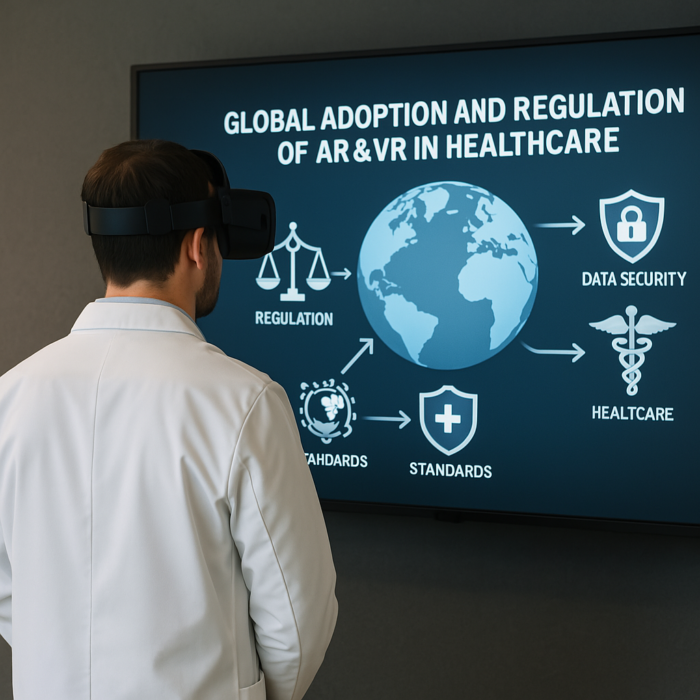
While AR and VR are becoming more widely adopted in healthcare, their successful implementation requires appropriate funding models and regulatory frameworks. Healthcare systems worldwide must develop strategies to ensure the sustainable growth of technological innovation.
Funding Opportunities
Private Investments and Venture Capital
The increasing demand for AR and VR attracts more private investors and venture capital. For healthcare startups, these funding sources enable rapid growth and market entry.
Government and EU Grants
The European Union and national governments are allocating more funds to support healthcare innovation. Programs like Horizon Europe and other grant opportunities contribute to the sustainability of technological advancements.
Hospital and Healthcare Institution Investments
Larger healthcare institutions can finance AR and VR solutions from their own budgets, particularly for developing surgical and diagnostic procedures.
Regulatory Challenges
Data Protection and Security
AR and VR systems handle sensitive patient data, making compliance with GDPR and HIPAA regulations essential, especially in terms of data security.
Certification of Medical Devices
AR and VR devices must undergo strict certification processes in accordance with FDA and EU MDR regulations to ensure their safe use as medical devices.
Technology Accessibility
Regulations must ensure that these technologies are not limited to elite institutions in developed countries but are also available more broadly.
Establishing proper funding and regulatory frameworks is crucial for the successful integration of AR and VR into healthcare, fostering a more efficient and accessible medical system for all.