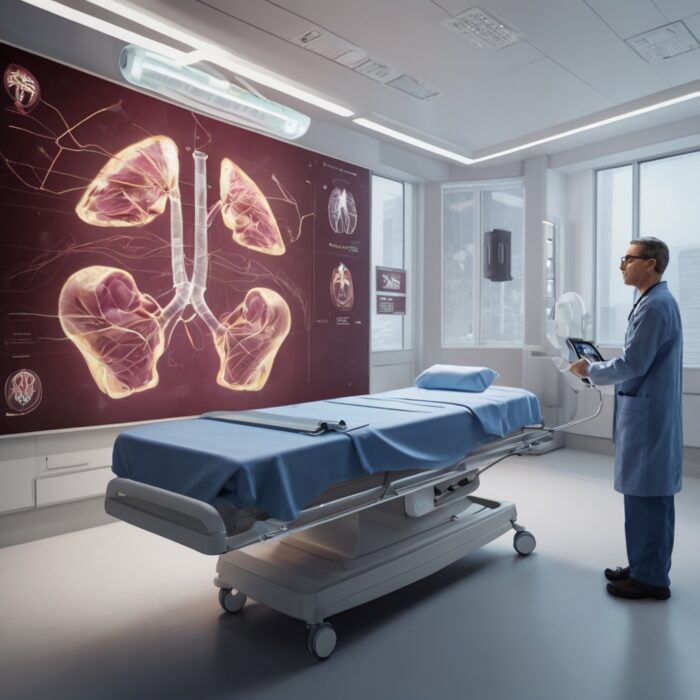
In recent years, healthcare has undergone a fundamental transformation with the rise of innovative technologies. AR (Augmented Reality) and VR (Virtual Reality) are no longer just tools of the entertainment industry; they are increasingly taking on pivotal roles in both the theoretical and practical fields of medicine, as well as in clinical and hospital patient care. These advanced technologies open new horizons by enabling the interactive visualization of information, revolutionizing the training of doctors, nurses, and residents while significantly enhancing patient education. Additionally, they support the establishment of more accurate diagnoses, facilitate precise planning and practice of surgical procedures, and contribute to more effective rehabilitation.
Transforming Medical Education
VR-based simulations provide a safe and controlled environment for practicing medical interventions and diagnostic procedures. Medical students and residents can test and refine their skills in realistic scenarios without the risks associated with live patients. These simulations are especially valuable for practicing complex, rare, or emergency situations that healthcare professionals may encounter in real life. By offering a realistic training environment, VR significantly reduces the likelihood of human errors while boosting the confidence of early-career doctors. Moreover, these technologies lower the costs of training by reducing the need for live models and mannequins. Collectively, these benefits make healthcare systems more efficient, safer, and sustainable.
Innovation in Rehabilitation and Therapy
VR-based rehabilitation programs make the recovery process more engaging and motivating. These programs are particularly effective in helping stroke survivors regain motor skills and alleviating chronic pain. The interactive VR environment provides real-time feedback, encouraging patients to perform precise, repetitive movements, gradually strengthening muscles and improving neural connections. These engaging exercises also eliminate the monotony often associated with traditional therapy programs. In chronic pain management, VR reduces the sensation of pain by diverting attention and stimulating neuroplasticity. Patients can immerse themselves in virtual environments that promote relaxation and reduce stress, leading to long-term improvements in their quality of life.
Broad Applications
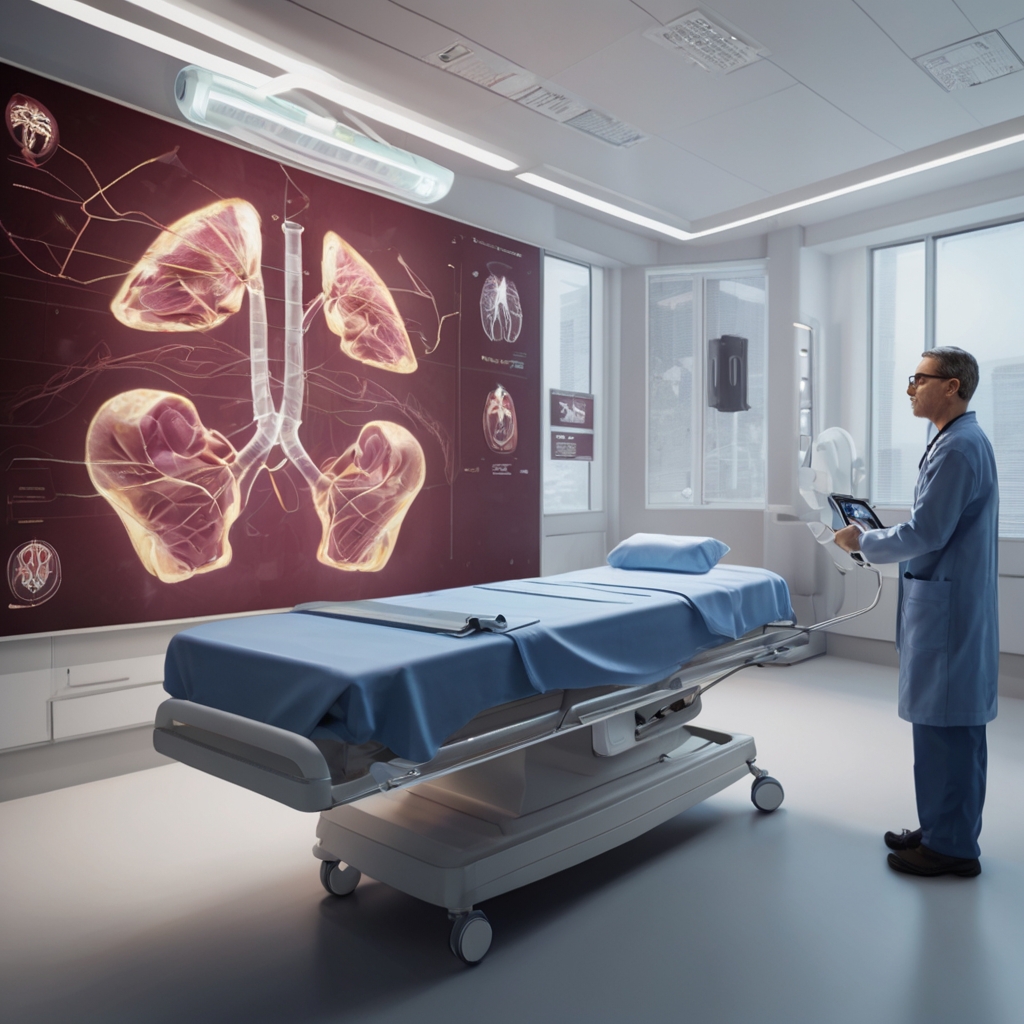
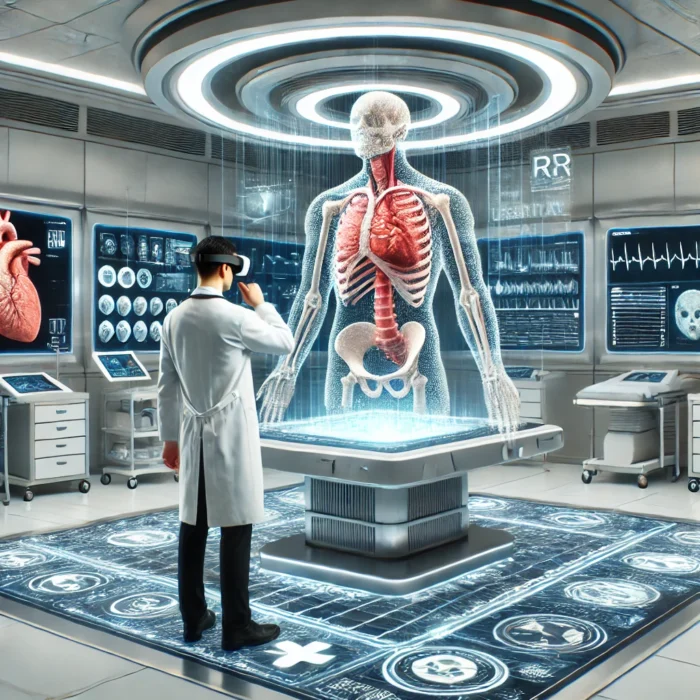
AR and VR technologies create new opportunities across various areas of healthcare. For example, AR enables surgeons to visualize patients’ anatomical structures in real time during procedures, significantly enhancing precision and reducing the risk of errors. VR is increasingly utilized in psychotherapy, offering effective and innovative solutions for treating anxiety disorders, phobias, and post-traumatic stress disorder (PTSD). Additionally, AR technology helps patients better understand their diagnoses and treatment options, improving doctor-patient communication and fostering collaboration.
Future Potential
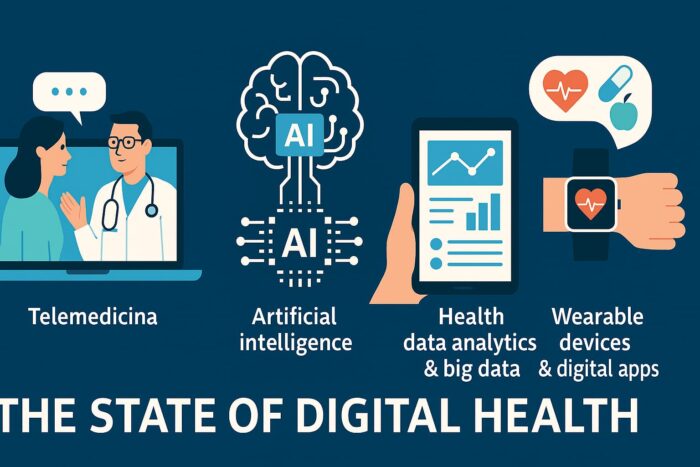
The application of AR and VR in healthcare is still in its developmental phase, but their potential is virtually limitless. AR-based imaging systems allow for more accurate diagnostics, while VR is revolutionizing telemedicine, enabling doctors to conduct examinations or consultations remotely. Combined with artificial intelligence, AR and VR technologies offer personalized treatment plans and engaging rehabilitation programs. These continually evolving solutions not only enhance the efficiency of medical practice but also lay the foundation for a more accessible, innovative, and patient-centered healthcare system.